Limbing uses more chain and causes more kickback than any other part of tree work. This is an older wording for the job covered by the branches listing.
We have 8 saws tagged for this job, 7 of them current. The short answer:
- Limbing a felled tree: 35 cm, light enough to swing all day.
- Standing limbs within reach: a 25 to 30 cm battery saw.
- Anything overhead: a pole saw, with both feet on the ground.
This is an older wording of the same job. The fuller listing is chainsaws for branches and small trees.
Saws for trees and limbs
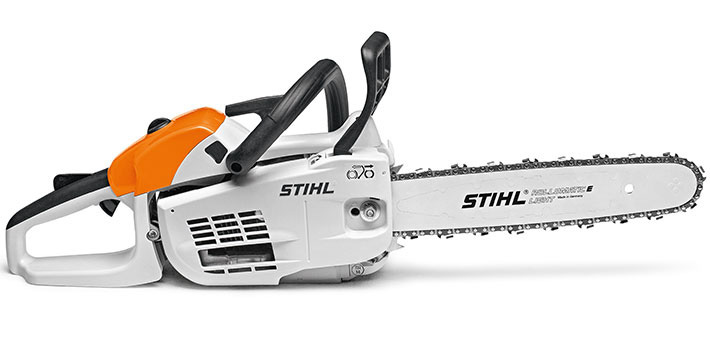
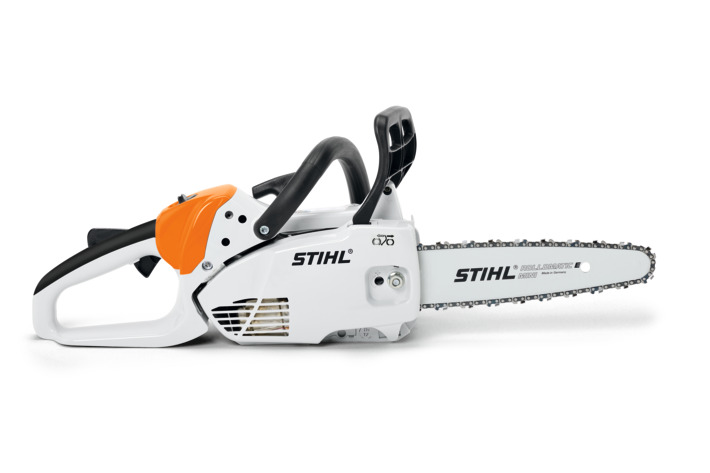
Current models tagged for this job, shortest bar first.
Limbing is where kickback happens
Repeated cuts with the bar nose near the wood is the classic kickback setup. Work from the base of the tree towards the top, keep the trunk between you and the limb where you can, and cut with the lower edge of the bar rather than the tip.
Both hands on the saw, left thumb wrapped under the front handle. That grip is what makes the chain brake useful when it fires.
Watch what the limb is holding up
Limbs under tension act like springs. A branch pinned under a trunk will whip when it is cut, and a limb propping the tree up will drop the whole trunk when released. Work out what is loaded before each cut and stand out of its path.
Browse another way
By power source: petrol, cordless or corded. By cutting length: 12 inch, 14 inch, 16 inch or 18 inch.
Chainsaws for Trees and Limbs FAQs
What is the safest way to limb a felled tree?
Work from the base towards the top, keeping the trunk between you and the limb wherever possible. Cut with the lower edge of the bar, not the nose. Watch for limbs under tension that will spring, and for the ones holding the trunk off the ground.
What size saw is best for limbing?
A 30 to 35 cm bar. Long enough for most limbs in one pass, short enough to control for hours. Weight matters more here than power, because limbing is repetitive and the saw is often held away from the body.