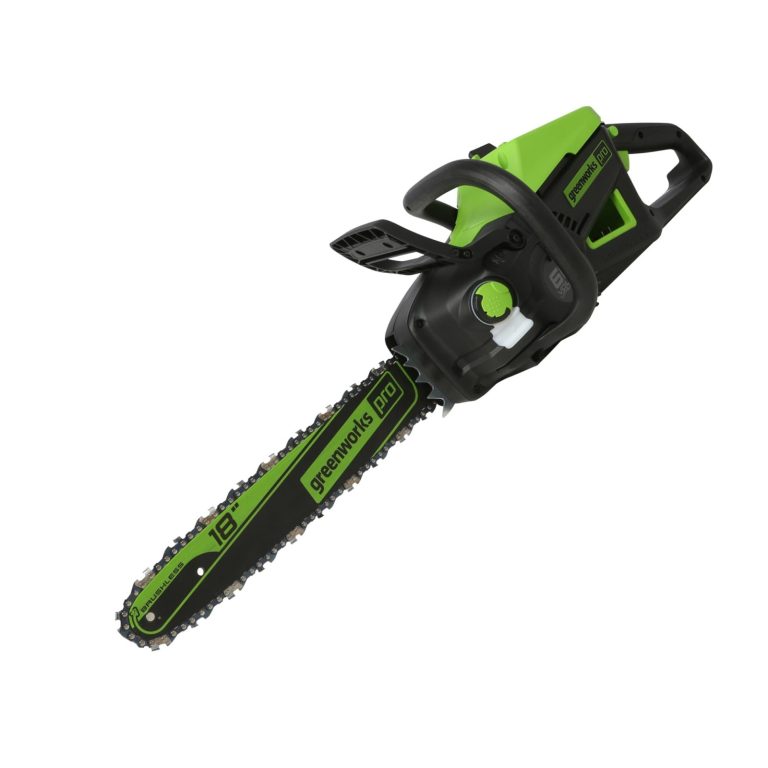
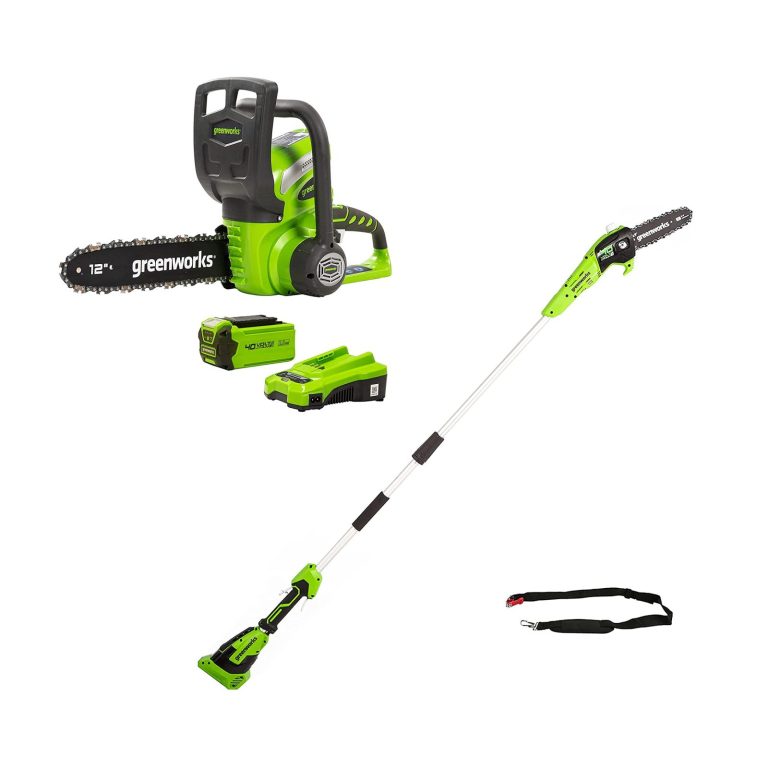
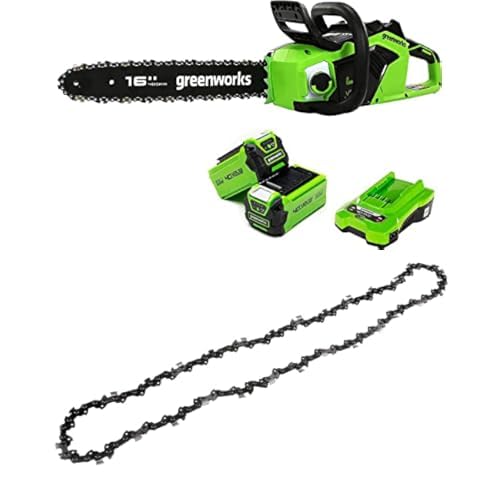
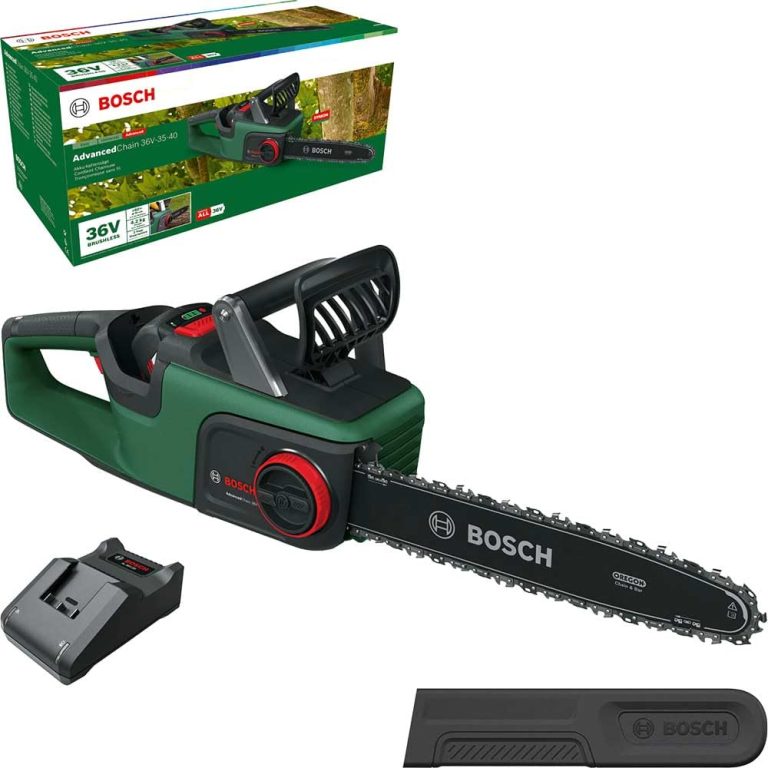
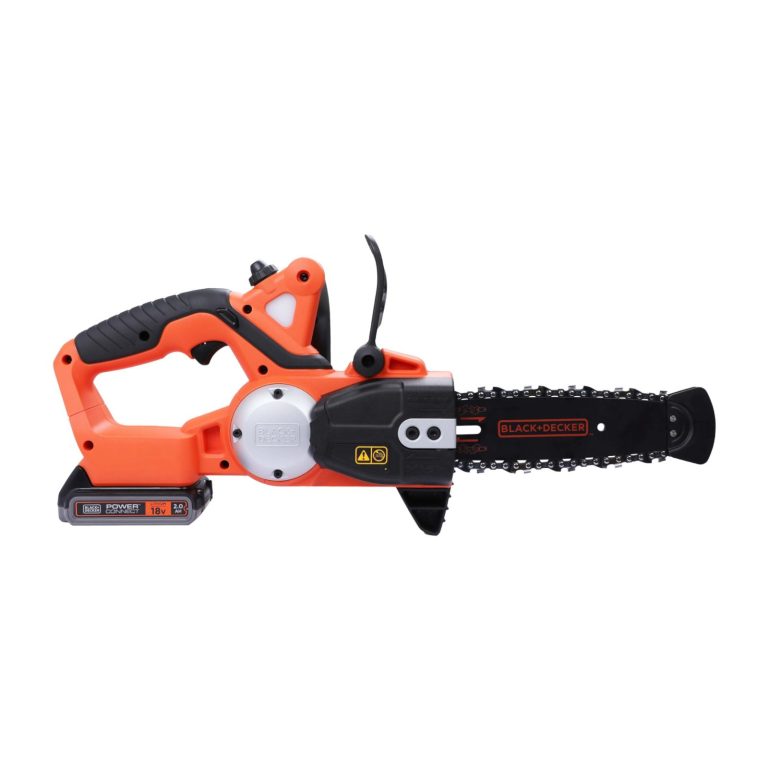
"Electric chainsaw" covers two quite different tools, and picking the wrong one is the most common mistake in this category. A corded saw plugs into the mains and never runs out of power. A cordless saw runs on a battery and goes anywhere. Both are listed here, 104 models in total.
What electric saws share: no fuel to mix, no cold starting, no exhaust, instant stop when you let go, far less vibration, and enough cutting power for anything a typical garden produces. What they do not do is a full day of felling.
Electric chainsaws by bar length
Current mains and battery models we hold a review for, shortest bar first.
Corded or cordless
Corded saws give you the most cutting power for the money. A 2,000W to 2,400W mains saw with a 40 cm bar costs less than a mid-range battery saw with a 30 cm bar, runs all day, and never needs a spare pack. The catch is the cable: you are tethered to an extension lead, which rules out work down the garden or up a bank, and the lead is one more thing to keep out of the cut.
Cordless saws cost more for the same cutting ability, especially once you add a second battery, but they go where the work is. For pruning, storm clear-up and anything beyond the reach of a lead, they are simply the better tool, and a 36V or 40V brushless saw is now a serious piece of kit rather than a toy.
A reasonable rule: if the wood comes to you, buy corded. If you go to the wood, buy cordless.
Yes, an electric chainsaw needs oil
This is the single most common misunderstanding about electric saws. There is no engine oil and no two-stroke mix, but every chainsaw has a bar and chain oil reservoir, and an electric one is no exception. Fill it with proper bar and chain oil, check it every time you start a session, and watch for oil flinging off the chain tip when you rev it clear of the wood, which is the simplest test that the oiler is working.
Do not substitute engine oil, chain lube aerosols meant for bicycles, or used motor oil. Bar oil is tacky so it clings to a chain at speed; anything thinner is thrown straight off and leaves the bar dry.
What the wattage and voltage numbers mean
On a mains saw, wattage is the headline: most sit between 1,800W and 2,400W, and more watts means more torque before the motor bogs down in a cut. On a battery saw, voltage sets the ceiling and amp hours set the runtime, so an 18V 2.0Ah saw is a pruning tool while a 36V 5.0Ah saw will handle firewood.
Neither number tells you what the saw can cut on its own. Bar length does that, and the table above is sorted by it for exactly that reason.
Using one safely
Electric saws feel tame, which is precisely why people get hurt with them. The chain still runs at speed and still kicks back if the bar nose touches wood. Use the same kit you would with a petrol saw: chainsaw trousers, boots, gloves and eye protection. On a corded saw, run the lead over your shoulder and behind you, plug into an RCD, and never cut above shoulder height, where the cable ends up in front of the bar.
Electric chainsaw FAQs
Does an electric chainsaw need oil?
Yes, bar and chain oil. Electric saws have no engine oil and no fuel mix, but the chain runs on a steel bar at speed and has to be lubricated, so there is an oil tank to fill exactly as on a petrol saw. Check the level each time you use it. If the chain smokes, the bar discolours or the chain stretches quickly, the oiler is empty or blocked.
What oil do you use in an electric chainsaw?
Standard bar and chain oil, the same product a petrol saw uses. It is deliberately tacky so it stays on a moving chain. Vegetable-based bar oils are available if you are cutting near water or in a garden you grow food in. Do not use engine oil, gearbox oil, chain lube sprays made for bicycles, or old motor oil: the first few are too thin and the last is abrasive and a disposal problem.
Are electric chainsaws any good?
For what most people actually cut, yes. A 2,000W corded saw or a 36V brushless battery saw will handle branches, logs and small trees without complaint, start instantly, and cause far less noise and vibration than petrol. Where they fall short is sustained heavy work: felling day after day, hardwood thicker than the bar, or anywhere a cable and a charger are impractical.
How do you use an electric chainsaw?
Check the chain tension and oil level, then put on trousers, boots, gloves and eye and ear protection. With a corded saw, hook the lead through the strain relief and run it behind you. Hold the saw with both hands, left thumb wrapped under the front handle, and stand to the side of the cut rather than directly behind the bar. Most electric saws need both the lock-off button and the trigger pressed to start. Let the chain reach full speed before it touches wood, and keep the bar nose out of contact to avoid kickback.
Is a corded or cordless electric chainsaw better?
Corded gives more cutting power per pound and unlimited runtime, which suits a log pile near the house. Cordless gives freedom of movement and no cable to manage, which suits pruning and work down the garden. If you already own batteries from the same brand, cordless becomes much cheaper and is usually the better buy.
What size electric chainsaw do I need?
Match the bar to the thickest wood you cut regularly and add about 5 cm. A 25 to 30 cm bar covers pruning and branches, 35 cm handles most garden logs, and 40 cm is as large as electric saws usefully go. Longer bars need more power to drive them, so a 40 cm bar wants a 2,000W mains saw or a 36V to 40V battery platform rather than an 18V one.
Can an electric chainsaw cut down a tree?
A small one, within the limit of the bar, yes. Felling is about technique rather than power: the hinge, the back cut and an escape route matter more than the saw. Anything with a trunk thicker than the bar, leaning the wrong way, or near a building, a road or a power line is a job for a trained arborist, whatever saw you own.
Why does my electric chainsaw chain keep coming off?
Usually tension. A new chain stretches as it beds in, so it needs re-tensioning after the first few cuts and then checking at the start of each session. If the tension is right and it still throws, look at the bar: worn rails spread and let the drive links climb out. A bent bar, a worn sprocket or a chain fitted backwards will do the same.